
From Props to Systems: The Shift Serious Operators Are Making

The Limitations of the Prop Mindset
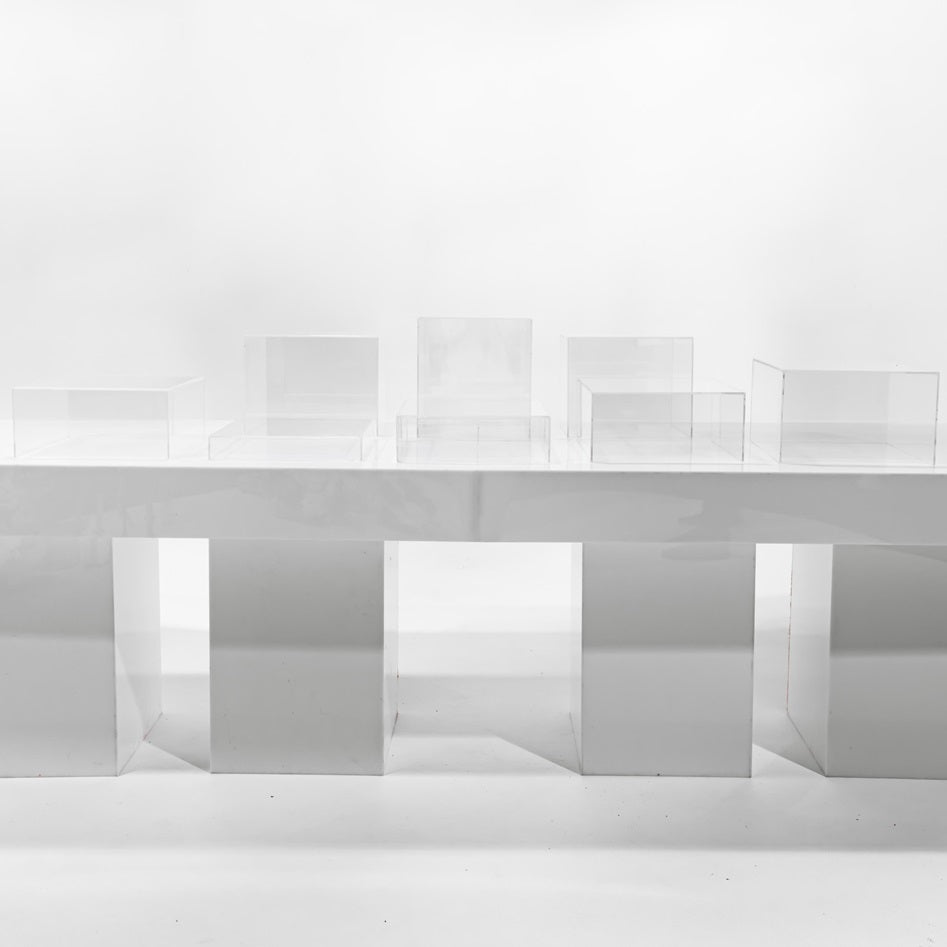
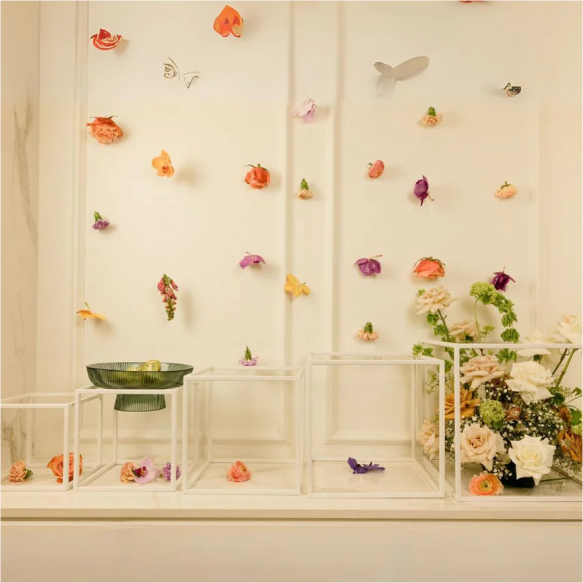
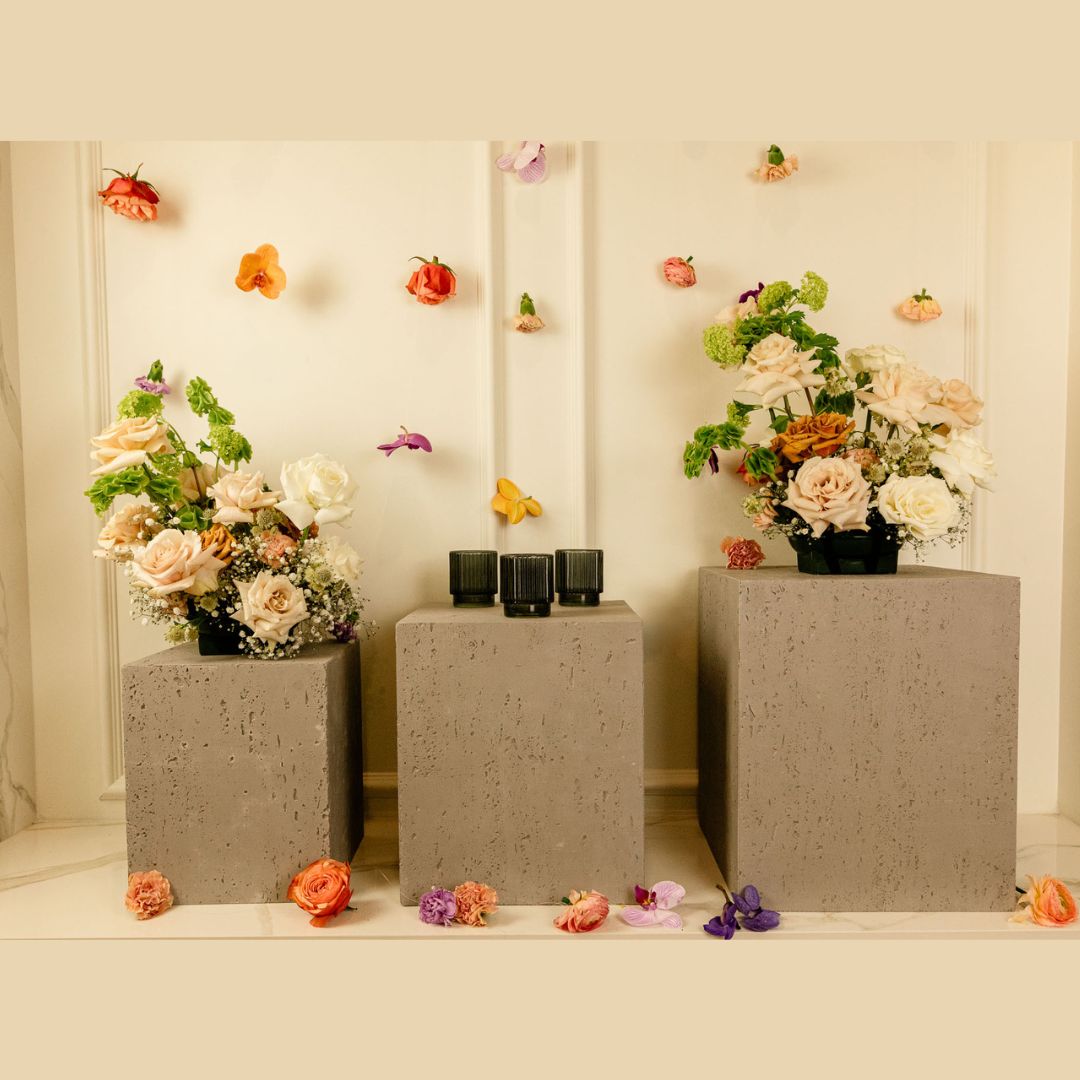
For decades, catering presentation and event display design have relied on props rather than systems. Decorative risers, mixed materials, and one-off serving pieces were treated as visual accessories instead of operational tools. In small-scale events, this approach felt sufficient. But as professional catering operations grew more complex, the weaknesses of prop-based presentation became clear. Inconsistent riser heights disrupted visual hierarchy. Fragile décor increased breakage during transport. Teams interpreted layouts differently at every event, leading to uneven buffet presentation and longer setup times. What was once considered flexible began to feel inefficient. What looked styled on the surface often concealed operational friction underneath.
When Presentation Becomes Operational
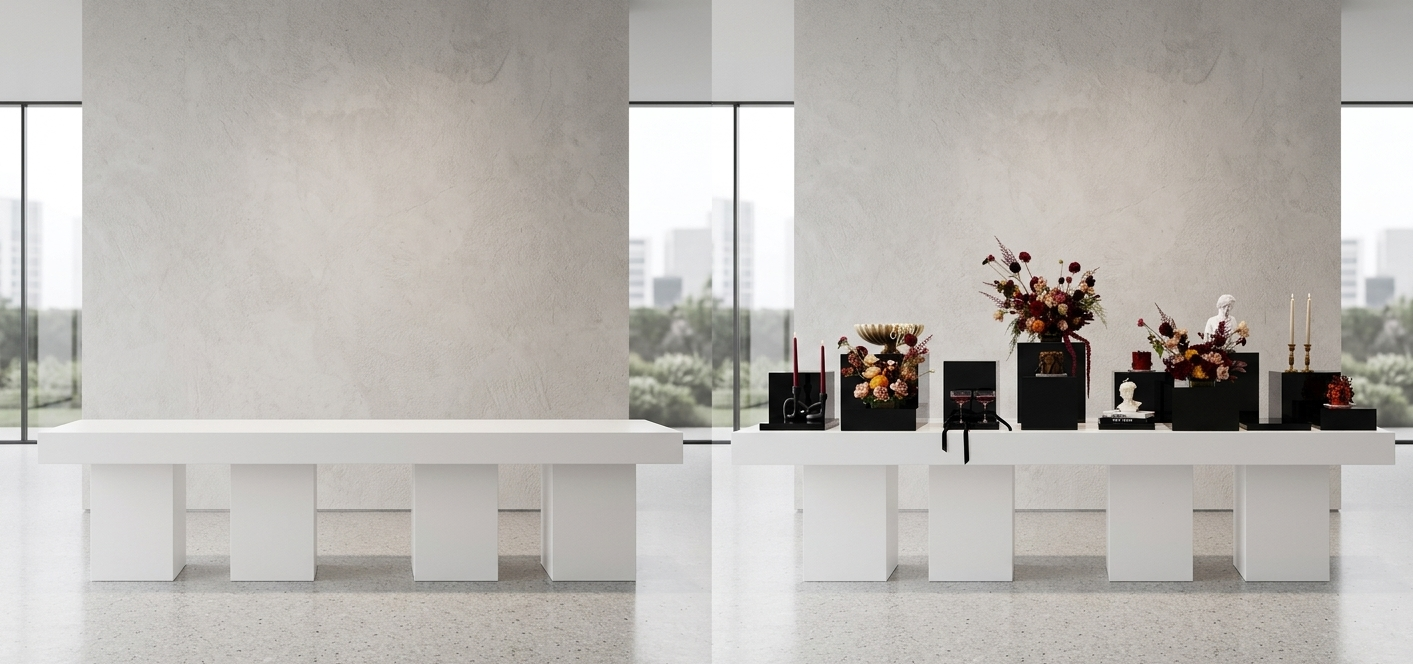
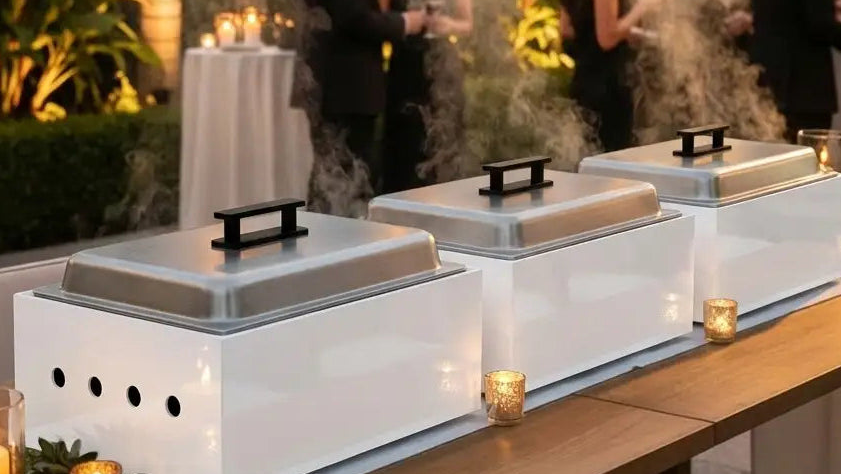
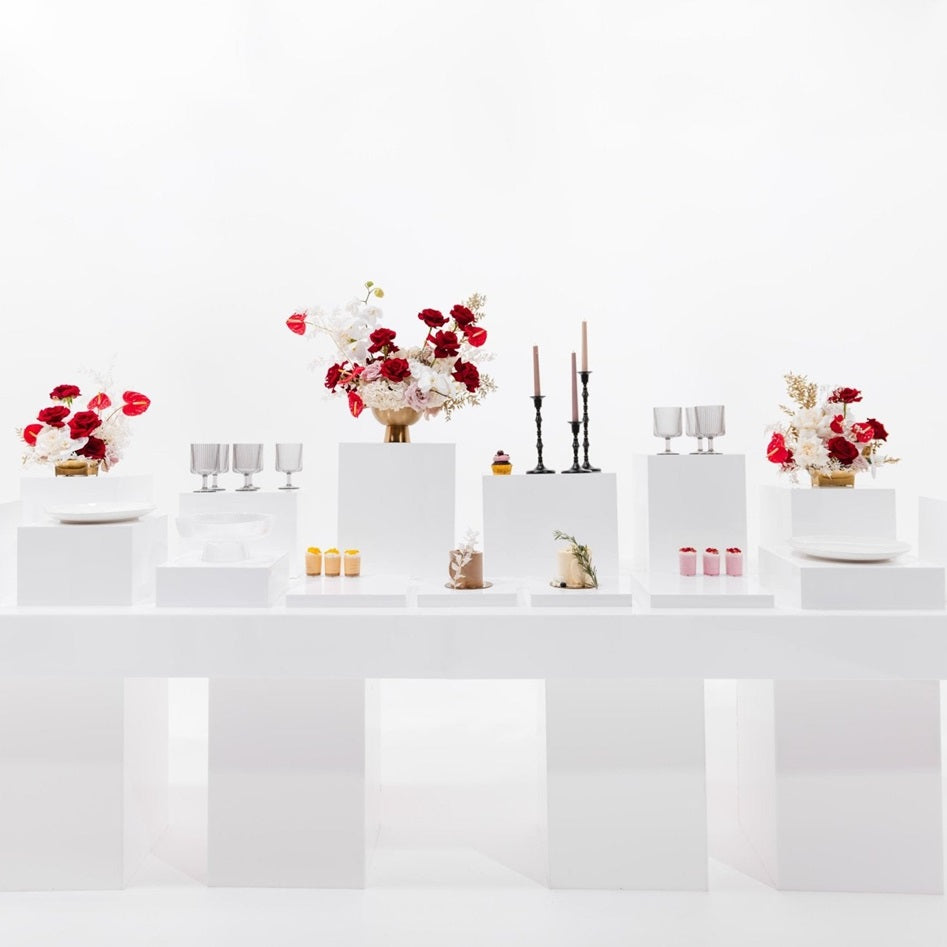
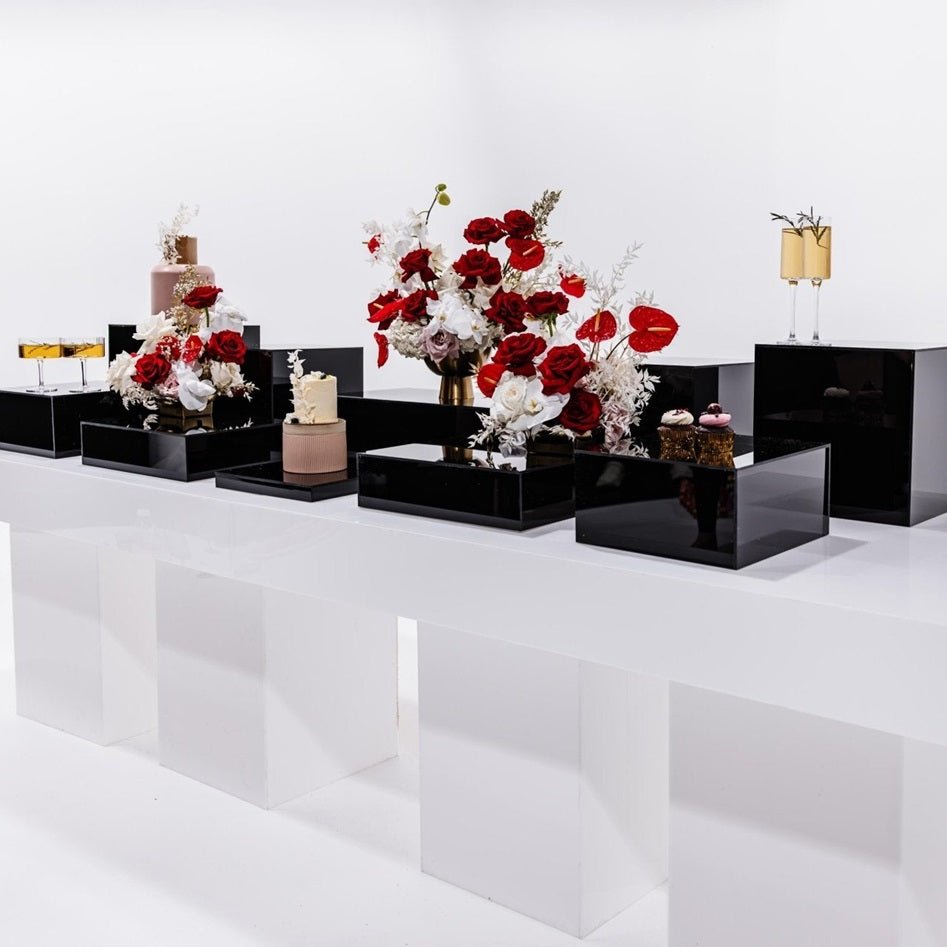
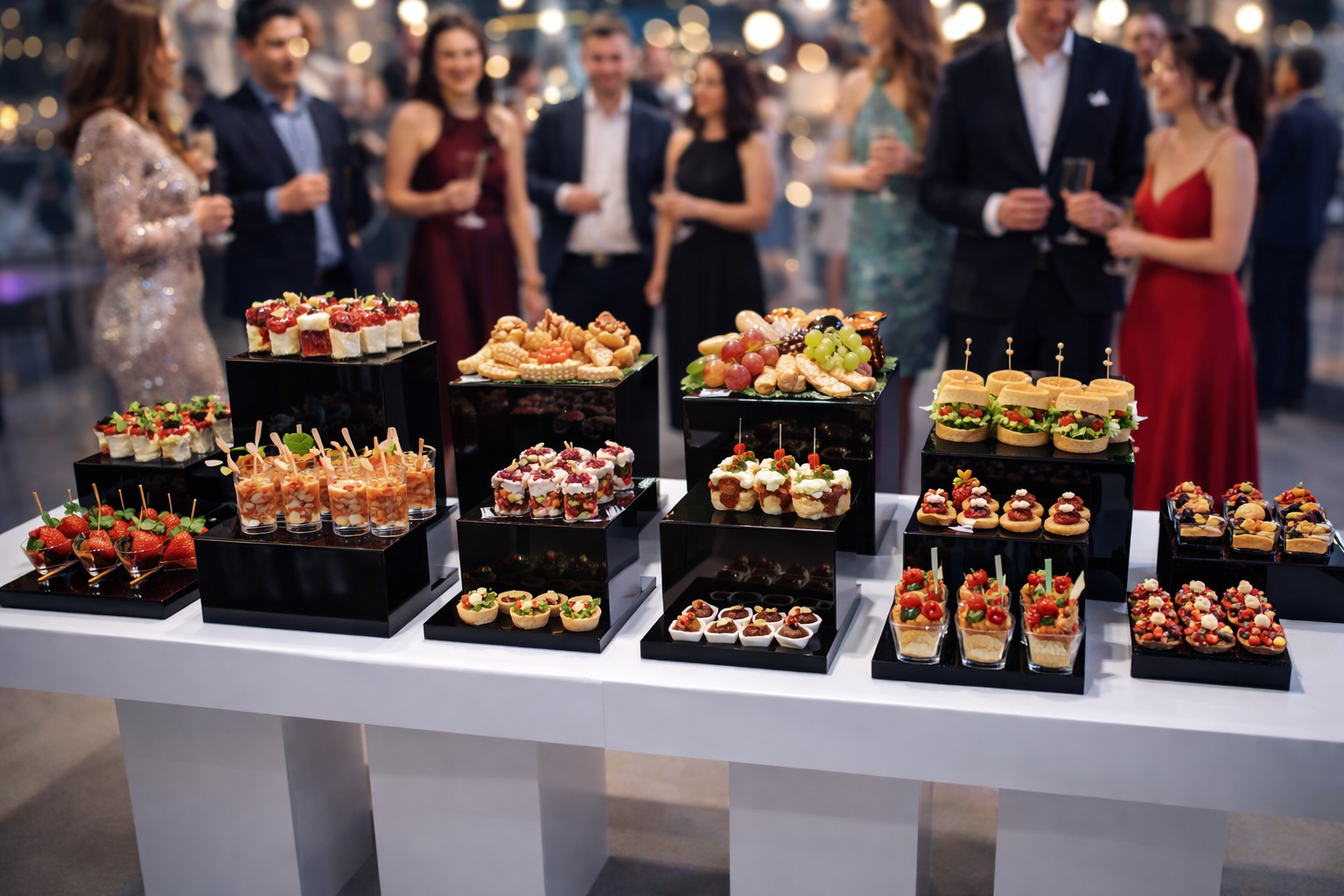
Serious operators eventually recognize that catering presentation is inseparable from workflow efficiency. Elevation affects how staff move behind a buffet. Structure influences how guests navigate a food display. Geometry determines whether a setup feels intentional or improvised. When presentation tools lack consistency, teams slow down to compensate. When presentation is built on modular systems, execution becomes repeatable. Professional-grade riser systems standardize height, spacing, and placement, allowing catering teams to set up quickly without second-guessing decisions. In this shift, food display risers stop being decorative objects and become infrastructure—designed to support speed, clarity, and controlled execution under pressure.
Why Systems Outperform at Scale
As catering businesses scale, systems outperform props in every meaningful metric. Modular riser systems reduce setup and strike time, simplify staff training, and eliminate visual clutter caused by mismatched pieces. Durable materials designed for commercial use outperform glass, ceramic, and MDF alternatives, lowering replacement costs and improving long-term return on investment. Consistent buffet elevation creates clean visual hierarchy, making food presentation feel polished, architectural, and professional. Clients may not consciously analyze these details, but they respond to them instinctively. Structured presentation signals reliability, competence, and premium execution—qualities that matter in luxury catering, corporate events, and high-end hospitality environments.
The New Standard for Serious Operators
Today, the distinction between props and systems defines the difference between improvised setups and professional operations. Props decorate. Systems operate. Catering professionals who prioritize efficiency, repeatability, and brand consistency are moving toward architectural presentation systems that support both aesthetics and operations. This shift is not about trends or styling preferences; it is about building reliable catering infrastructure that performs across venues, teams, and event types. In an industry where margins are tight and expectations are high, structured presentation systems are no longer optional. They are the foundation for scalable, professional-grade catering execution.